Discover Sushi Tomi
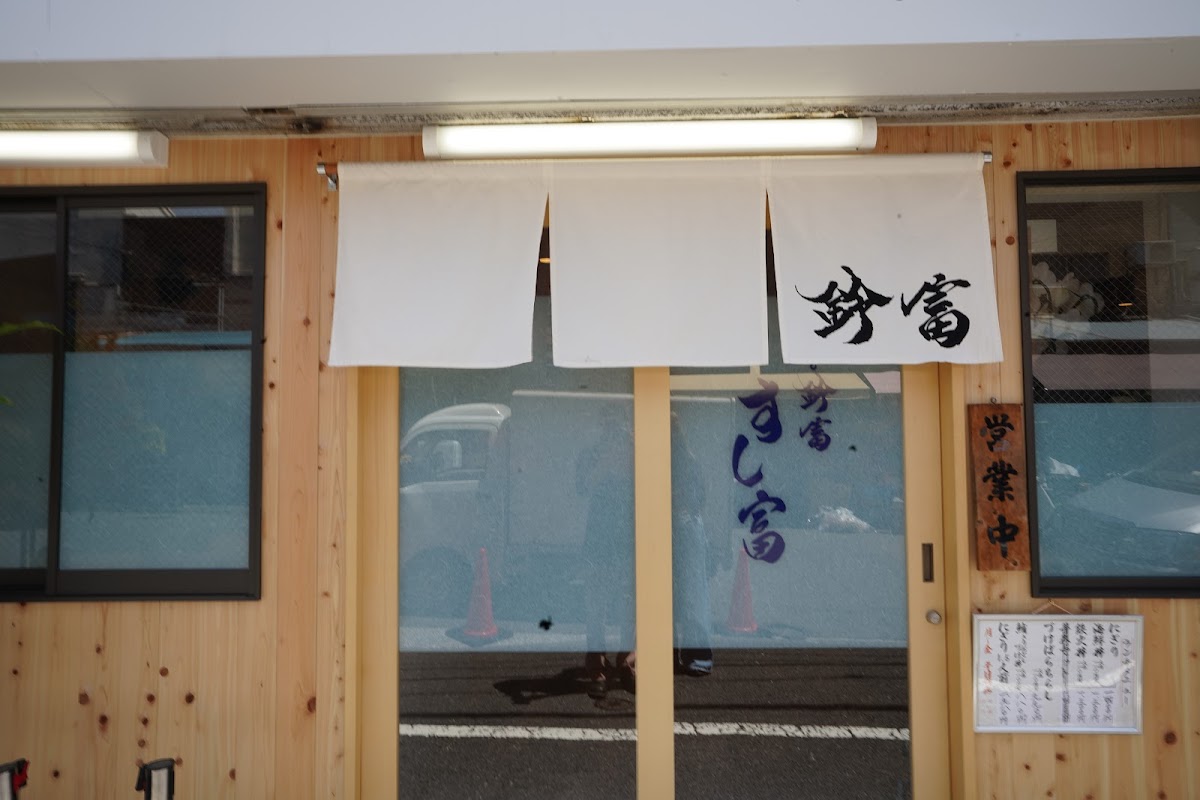
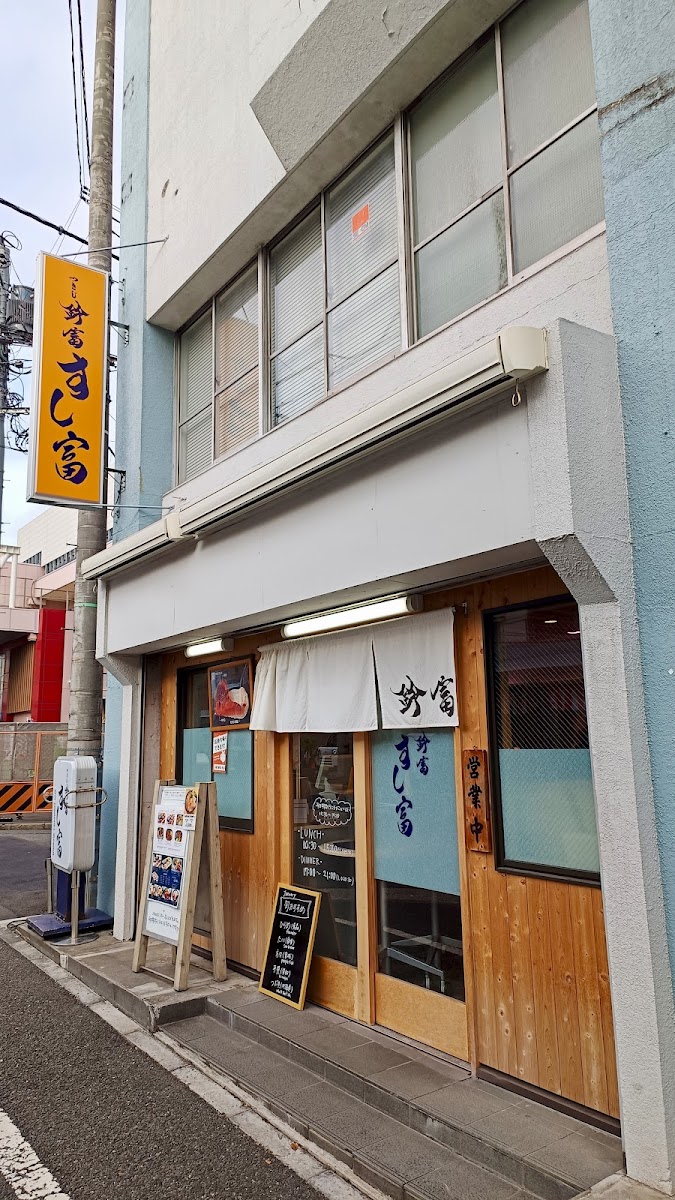
Tucked away at 6 Chome-23-12 Tsukiji, Chuo City, Tokyo 104-0045, Japan, Sushi Tomi feels like one of those places you almost don’t want to tell anyone about. I first visited on a crisp autumn morning after wandering through the outer market of Tsukiji, where the scent of grilled seafood and freshly shaved bonito flakes hangs in the air. The restaurant sits quietly among small shops and seafood vendors, yet once you slide open the door, you step into a space that takes sushi seriously-very seriously.
On my first visit, I opted for the omakase menu, which in Japanese literally means I leave it up to you. It’s a phrase you hear often in high-end sushi restaurants, but here it doesn’t feel intimidating. Instead, it feels like a conversation between chef and guest. The chef stood behind the hinoki wood counter, slicing tuna with careful, measured strokes. Watching him work reminded me of a documentary by NHK that explored how Tokyo sushi chefs spend years perfecting knife techniques alone before ever serving customers. That dedication was evident in every movement.
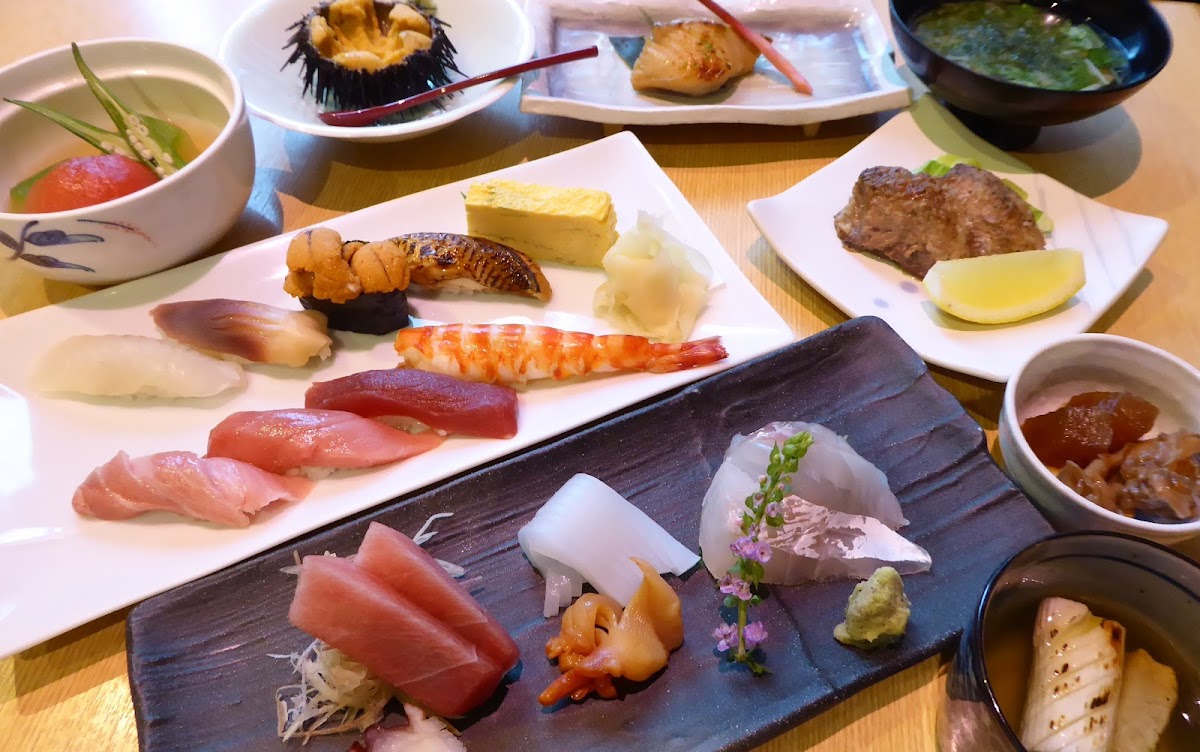
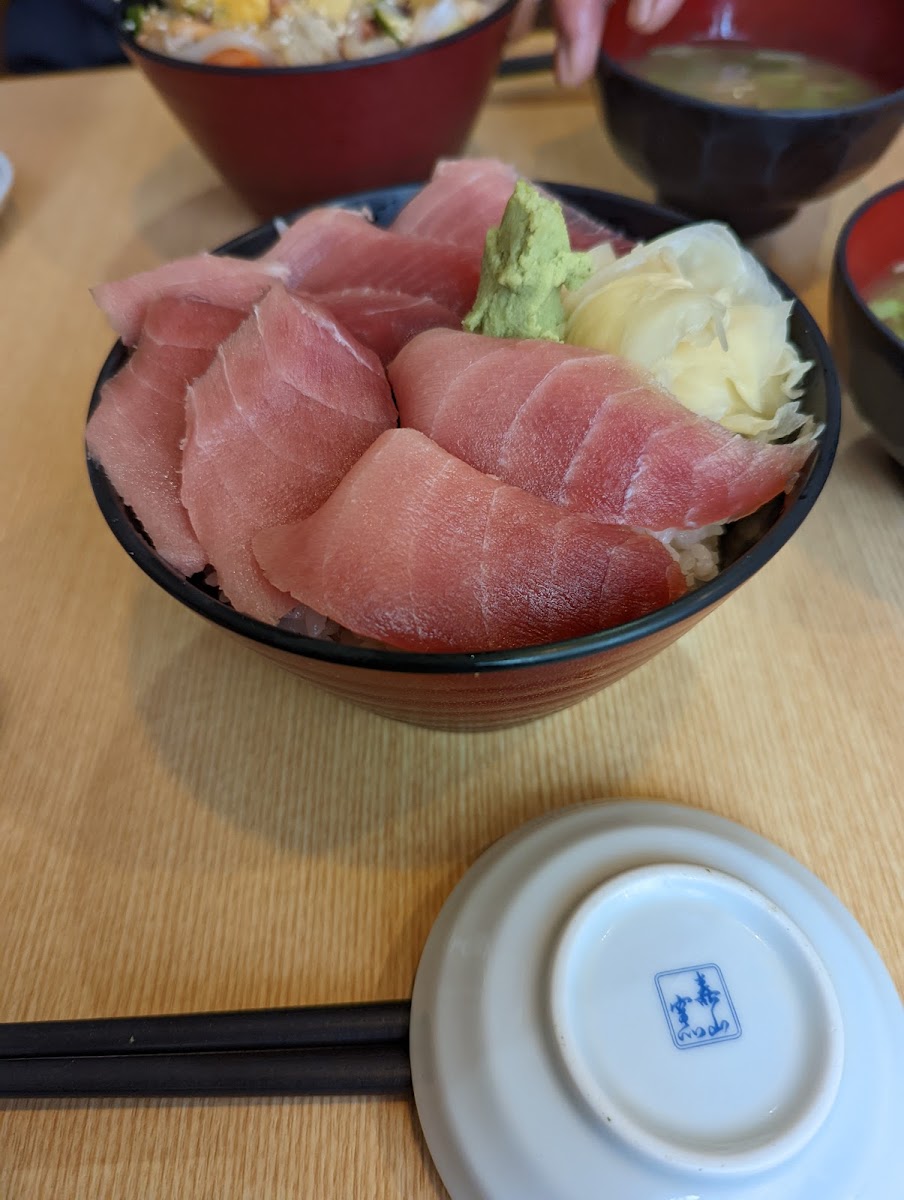
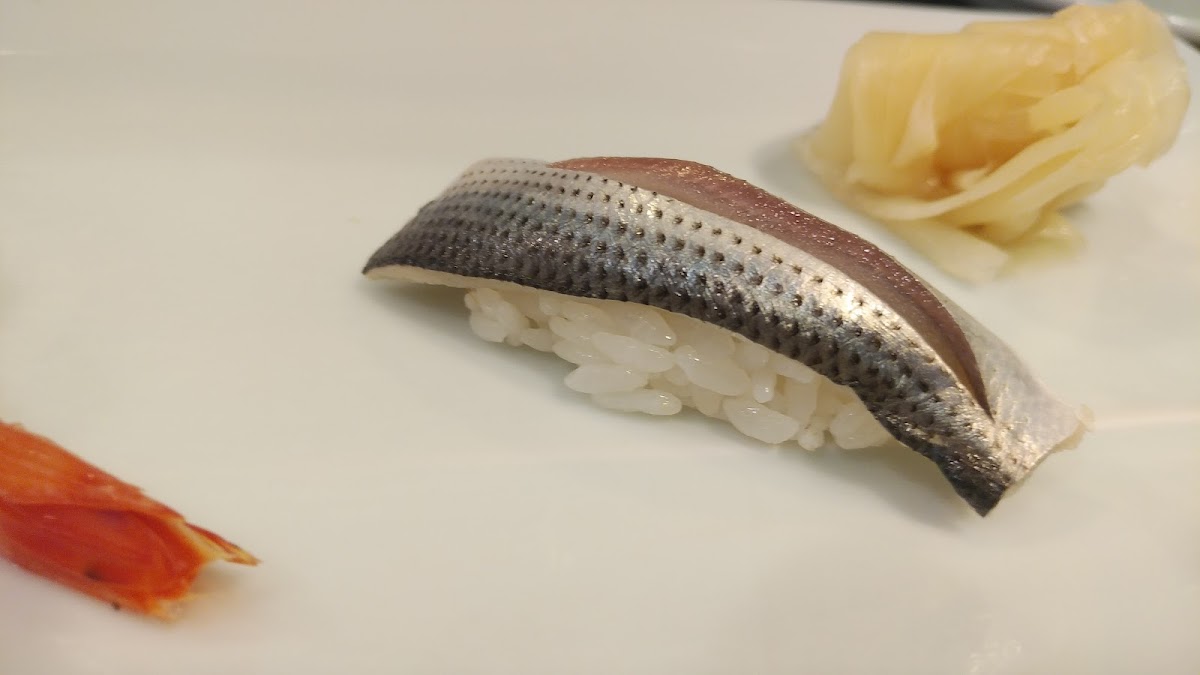
The first piece placed in front of me was akami, lean tuna, lightly brushed with nikiri soy sauce. According to the Tokyo Metropolitan Government’s tourism data, Tsukiji remains one of the most visited culinary districts in the city even after the wholesale market moved to Toyosu. That traffic keeps standards high, and you can taste the competition in every bite. The rice, or shari, was slightly warm and seasoned with red vinegar, creating a delicate contrast to the cool fish. Achieving that balance is not accidental. The All Japan Sushi Association often emphasizes that rice temperature and seasoning account for nearly half of the sushi experience. At this counter, that principle was alive and well.
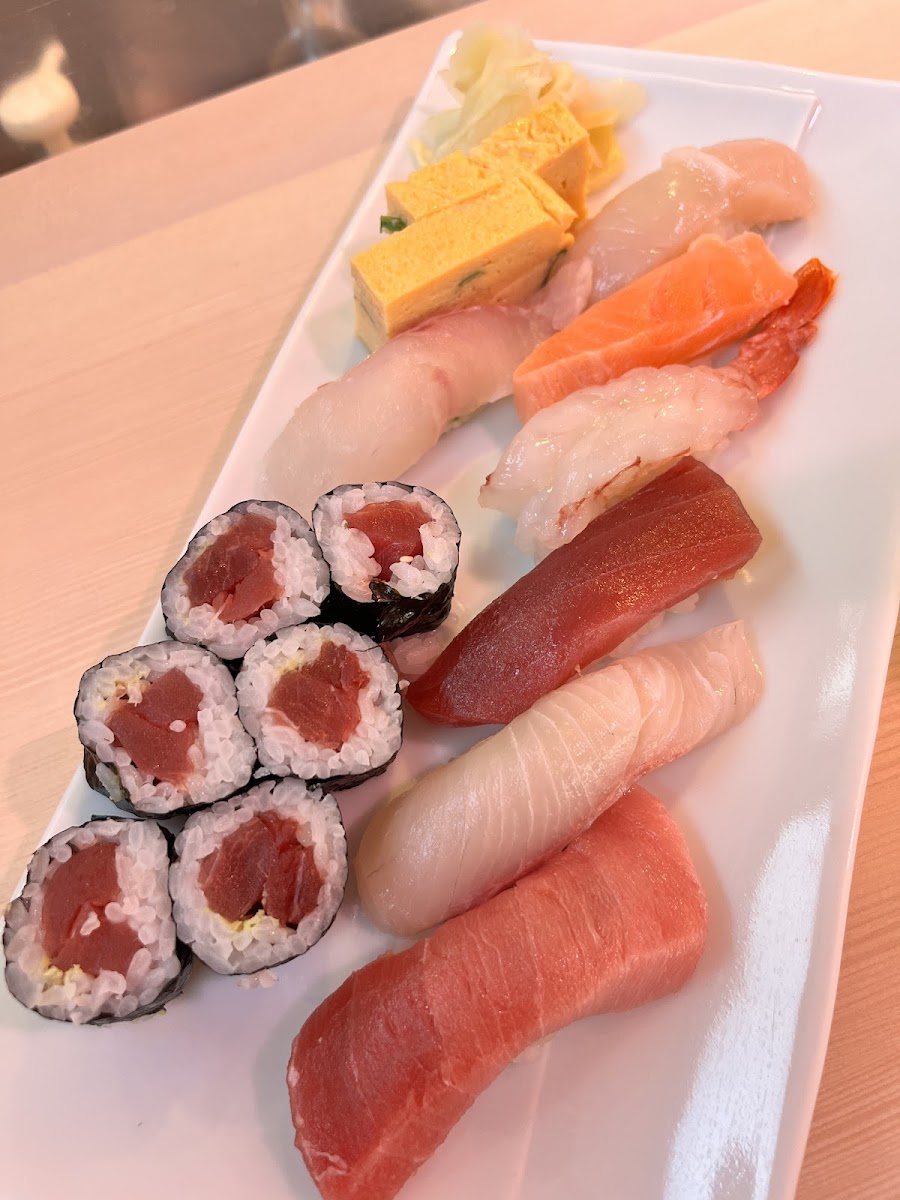
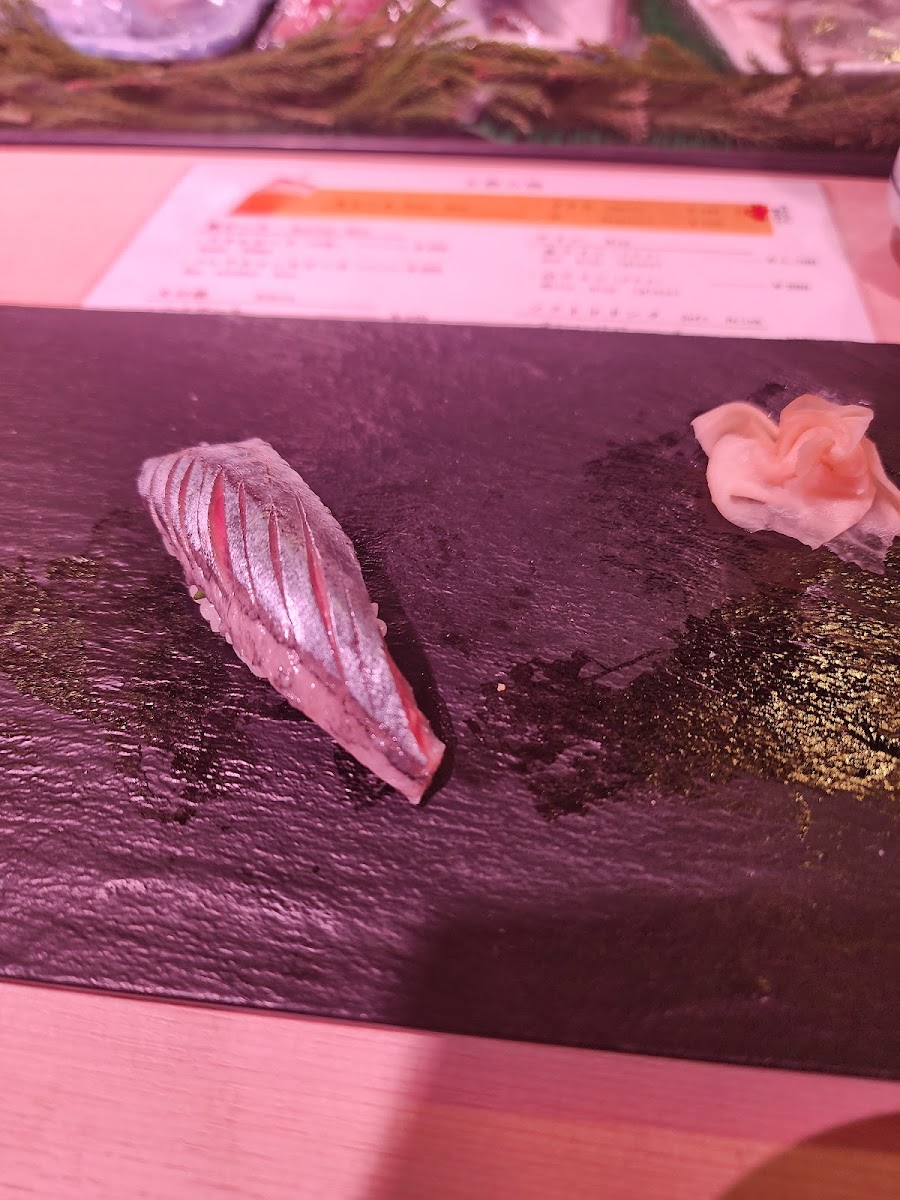
As the meal progressed, I tried chutoro, uni from Hokkaido, and a glistening slice of kinmedai. Each piece was served individually, never rushed. The chef explained how he sources seafood from Toyosu Market early each morning. He described checking the eyes of the fish for clarity and firmness, a traditional method many seasoned buyers still rely on despite modern refrigeration and logistics. That small detail added credibility; it showed a commitment to quality beyond marketing language.
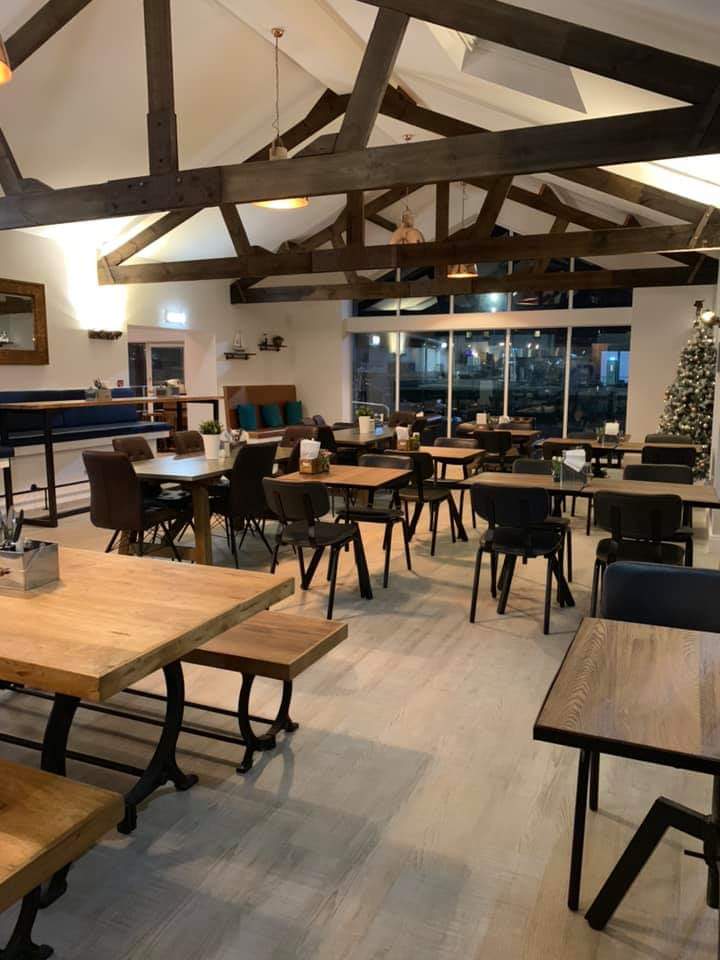
The interior is simple but inviting. Light wood panels, minimal decor, and soft lighting create an intimate atmosphere. It’s not flashy, and that’s the charm. While Tokyo has its share of Michelin-starred sushi counters, not every exceptional meal comes with a three-star label. Still, the standards here align with what the Michelin Guide describes as ingredients of exceptional quality and mastery of technique. Even without a star next to its name, the craftsmanship speaks clearly.
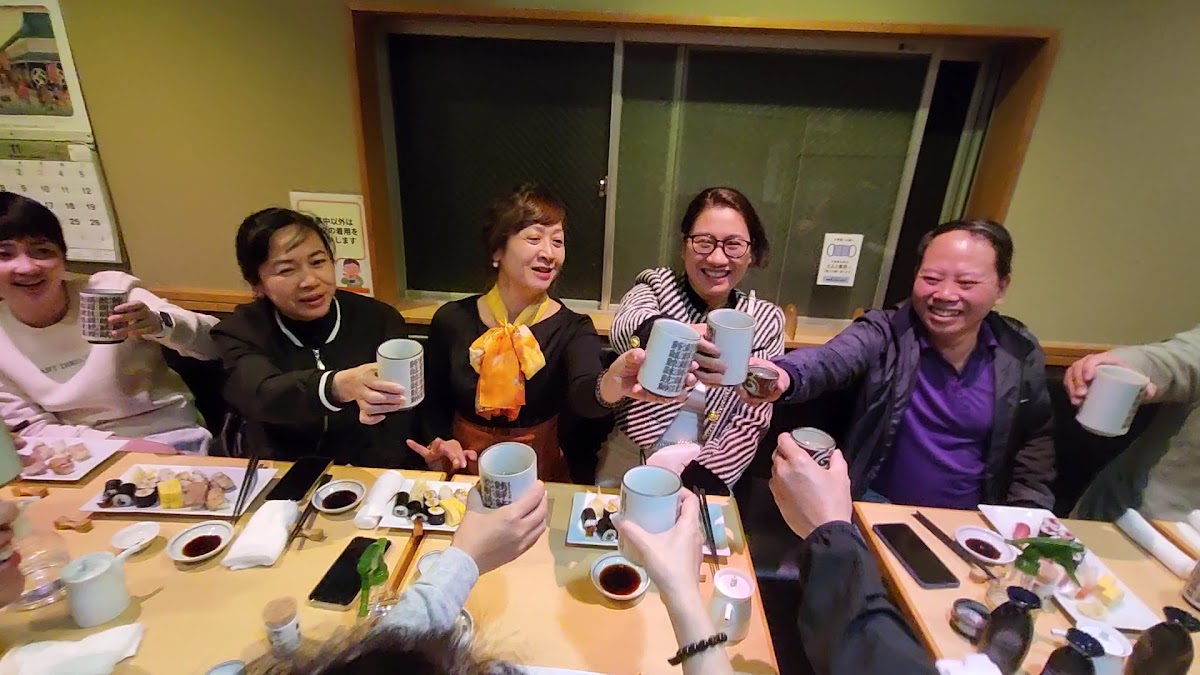
What impressed me most was consistency. I returned with a friend who works in hospitality management, someone who’s notoriously critical of service flow. She noticed how water glasses were refilled without interruption, how plates were cleared silently, and how timing between courses never felt awkward. These details matter. In restaurant operations, smooth pacing directly influences guest satisfaction scores in online reviews. Judging by the steady stream of positive feedback on major review platforms, many diners notice the same care.
Prices are fair for Tokyo standards, especially considering the quality of seafood and the central location in Tsukiji. Lunch sets provide a more accessible option, while dinner leans toward a more immersive omakase experience. Reservations are recommended, particularly on weekends, as seating is limited.
Of course, availability of certain fish depends on the season. If you’re expecting a specific cut of tuna or a particular shellfish, it’s worth understanding that daily market conditions shape the menu. That variability isn’t a flaw; it’s part of traditional Edomae sushi culture. Freshness and seasonality guide the experience more than rigid menu planning.
Dining here isn’t just about eating sushi. It’s about observing technique, understanding sourcing, and appreciating subtle differences in texture and flavor. From the polished counter to the carefully shaped nigiri, every element reflects respect for the craft. In a city packed with culinary icons, this small Tsukiji gem confidently holds its own, offering a sushi experience grounded in tradition, skill, and genuine hospitality.